
I wrote this column for InterPark International magazine.
80% of American adults played for their own enjoyment in the past year, from crafting classes to themed bars, according to The Harris Poll’s October Rise of Kidulting report. 77% say brands underestimate how much adults want playful experiences designed for them, and 62% say they want more adult-only nights at a theme park, museum, or zoo.
The fall season in particular is a great time for attractions to encourage play, and while traveling to document Halloween events this season, I’ve noticed quite a lot firsthand.
Adults Like To Dress Up Too
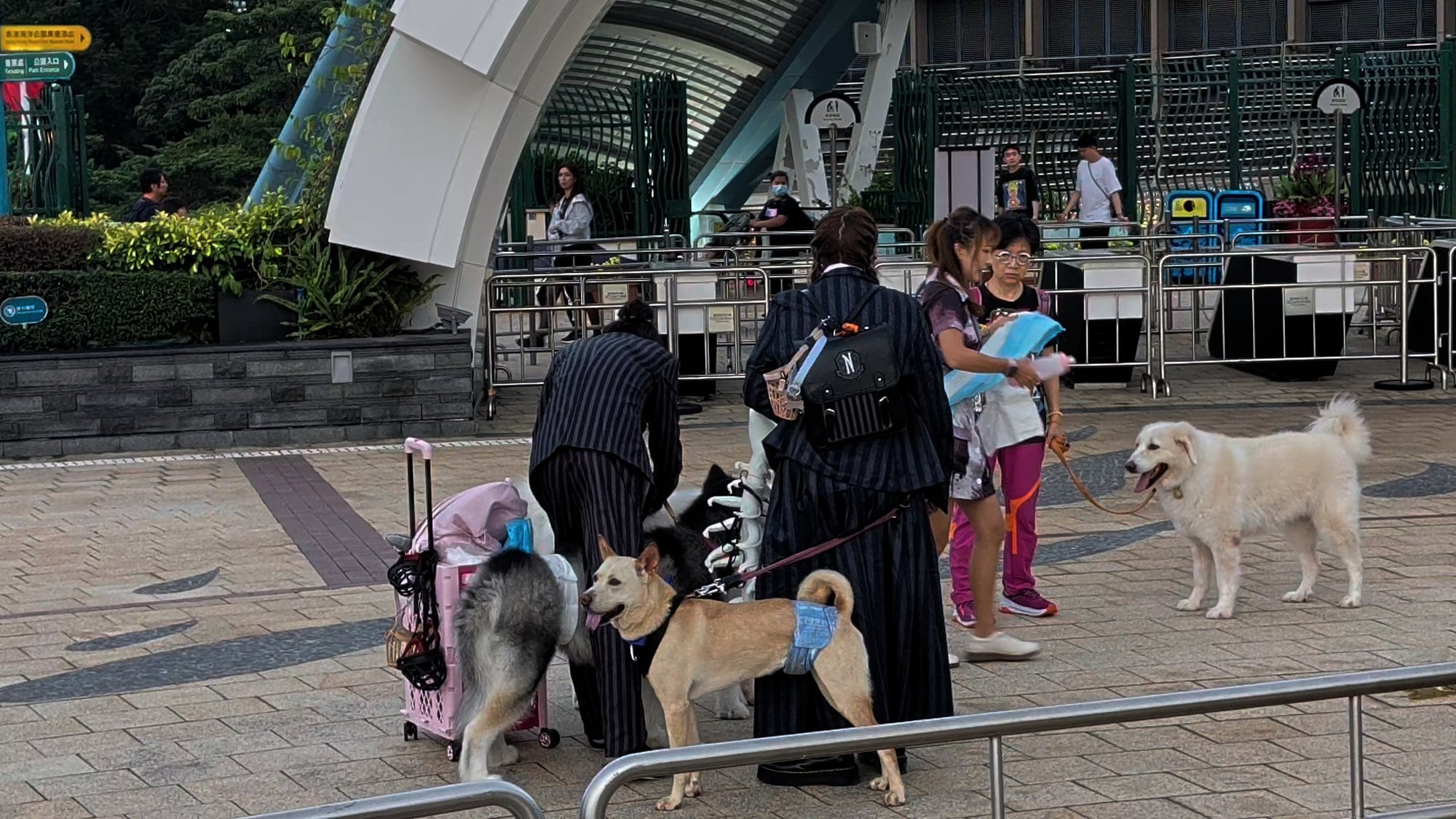
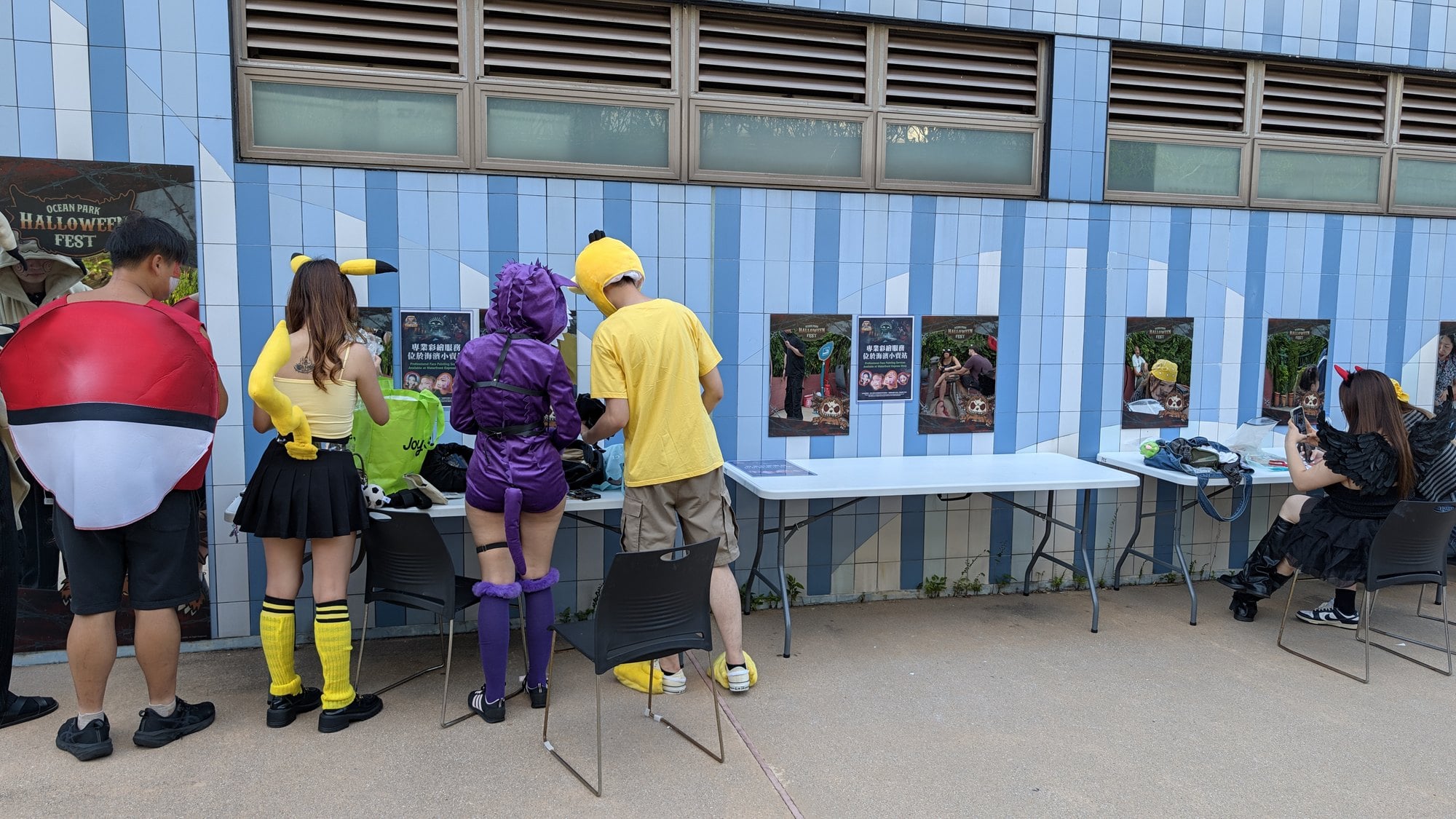
Attractions in the APAC region already encourage adult play, starting with permission to dress up. From Universal Studios Japan to Shanghai Disneyland, Ocean Park in Hong Kong, and Sunway Lagoon in Malaysia, these attractions let guests wear costumes during the Halloween season. If you think dressing up is a kid thing, consider this: Americans will spend $2 billion on adult costumes this year versus $1.5 billion on children’s, according to the National Retail Federation. Ocean Park Hong Kong even lets guests bring dogs in costumes (M-F only) and provides dedicated makeup and changing spaces.
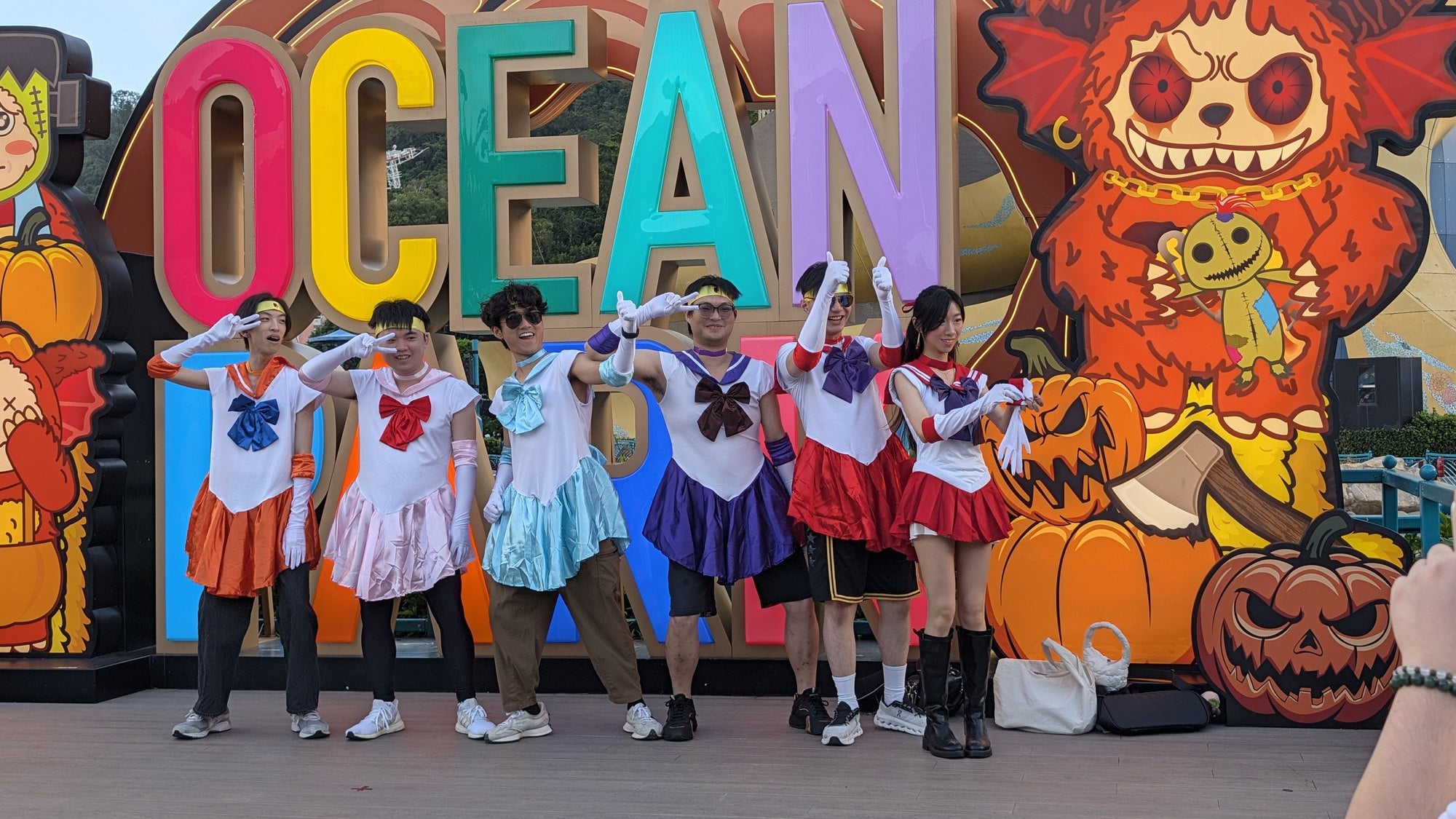
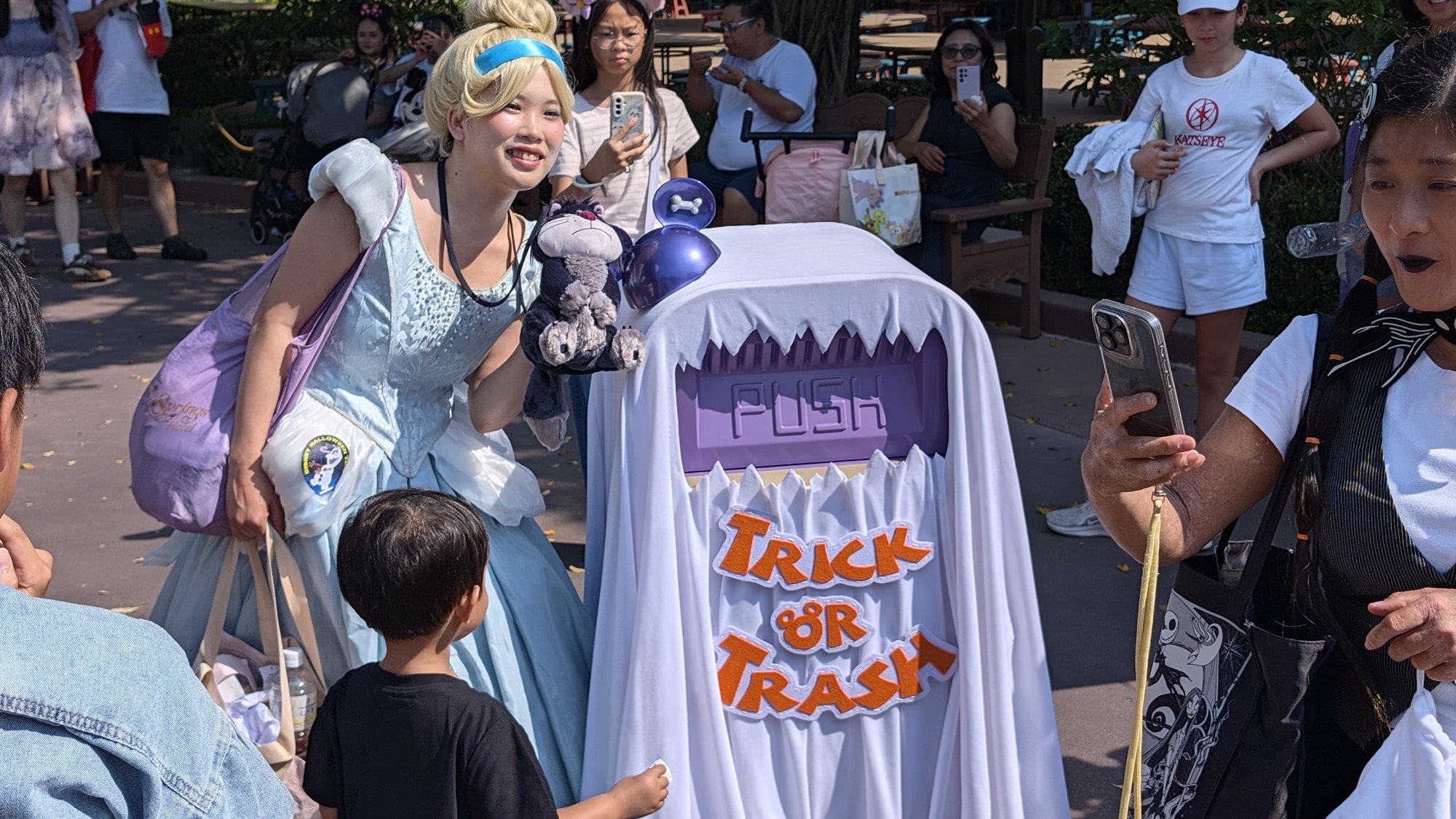
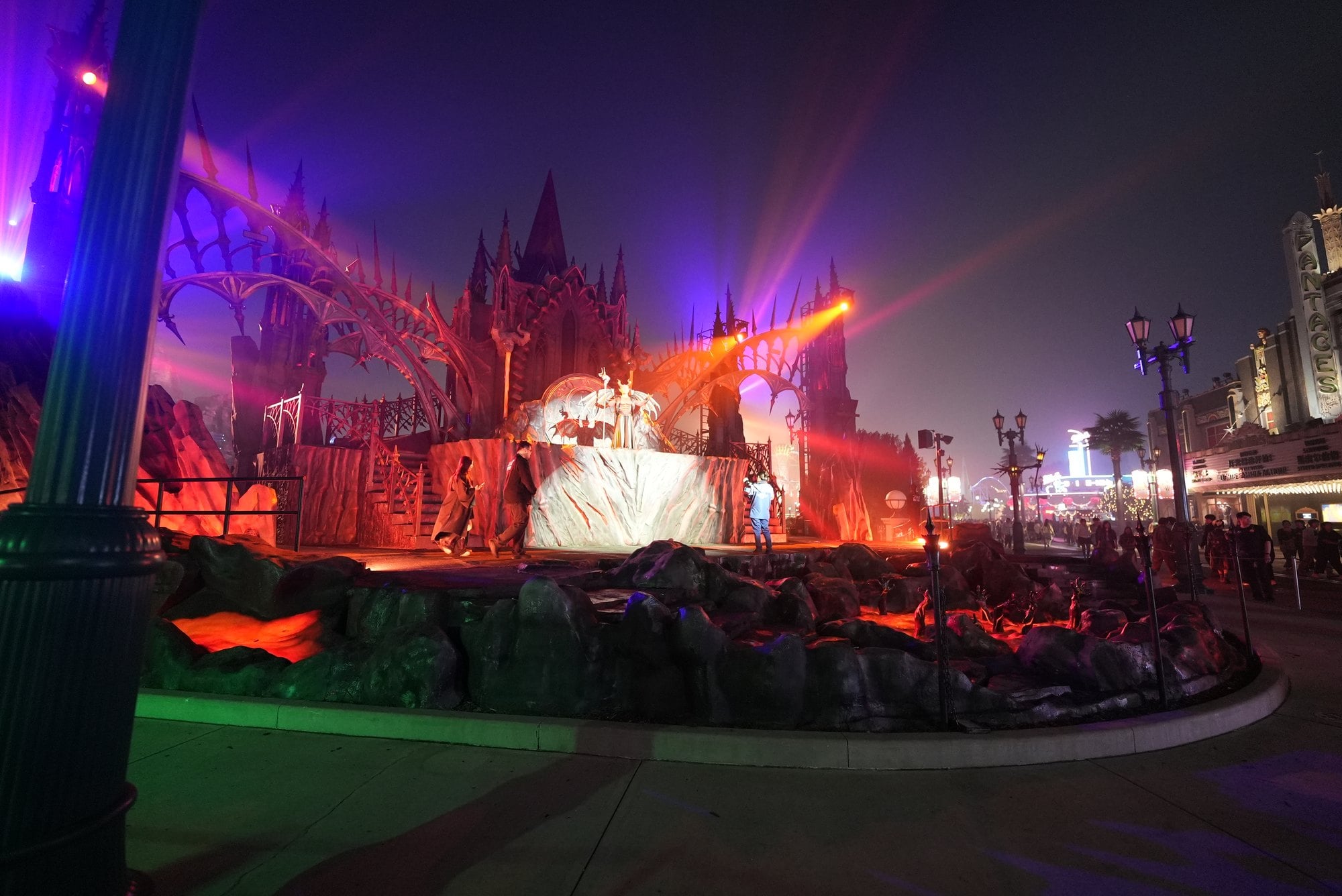
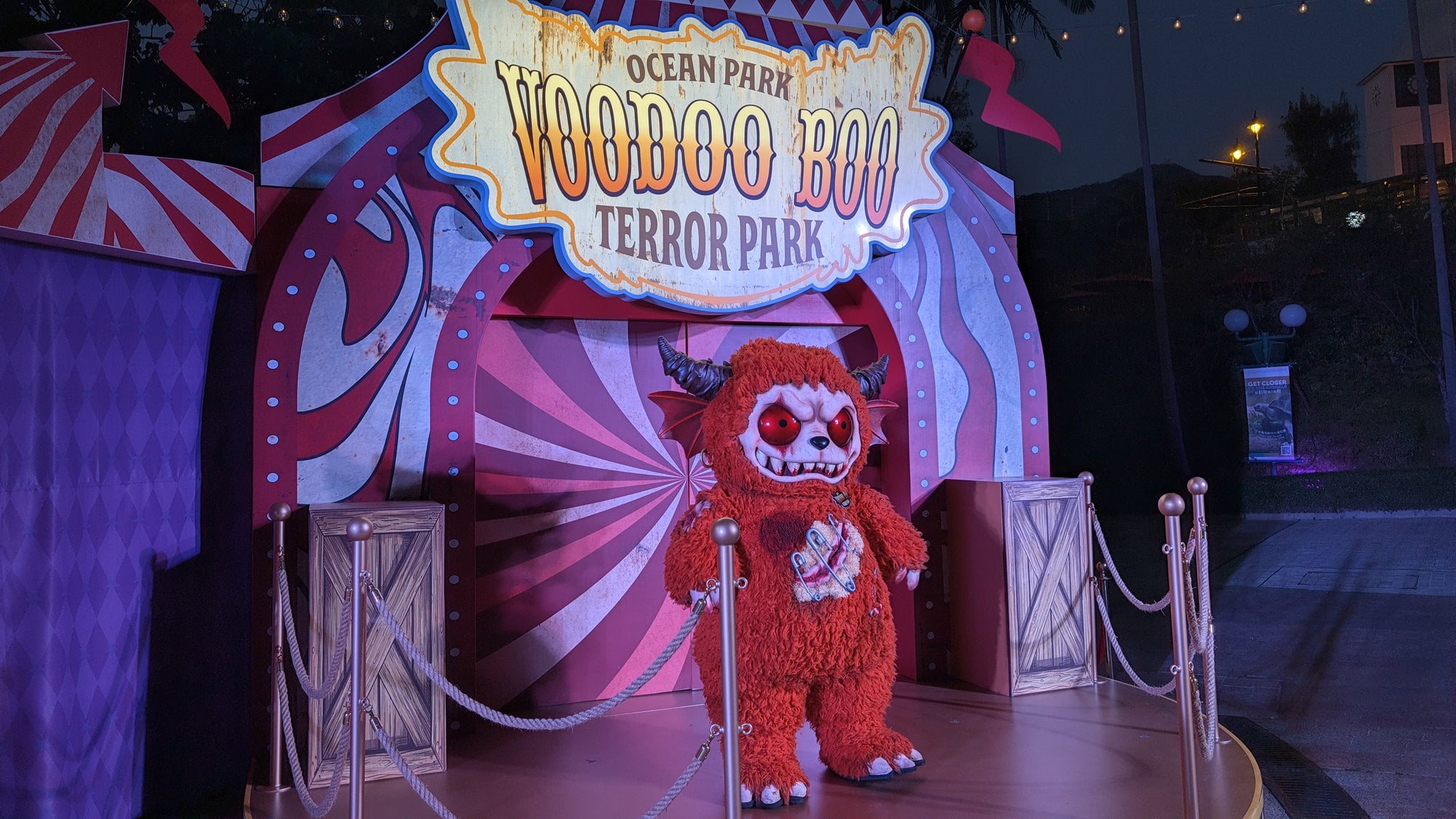
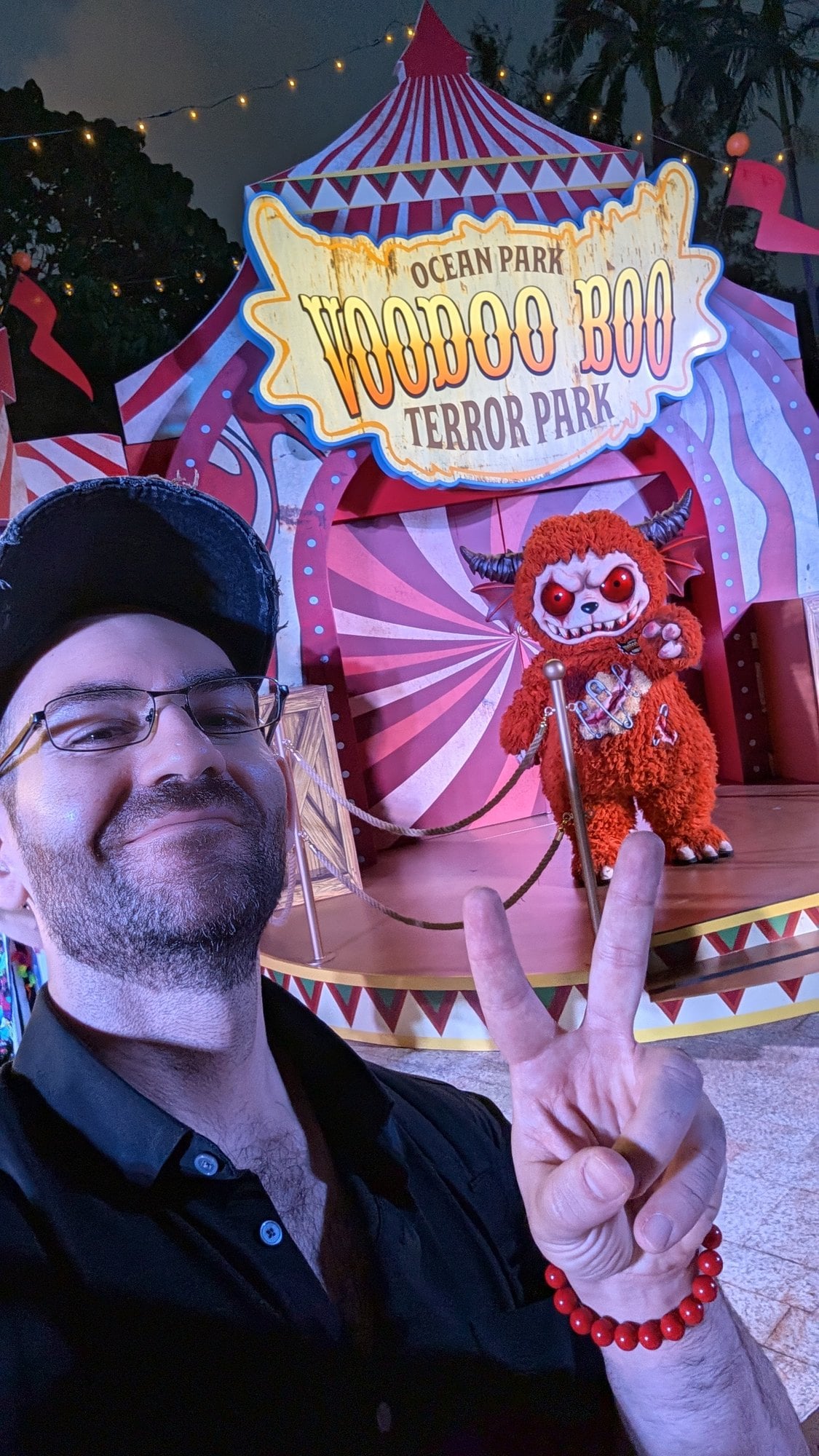
Once guests arrive in costumes, give them plenty of opportunities to take photos and make memories. This can be traditional photo ops, character experiences, or something unique to your attraction, such as a multi-purpose space. At Universal Beijing, the main stage transforms into a massive multi-level photo experience after the opening ceremony. This lets the team use the stage as both a photo experience and part of the show.
Inviting Guests to Play
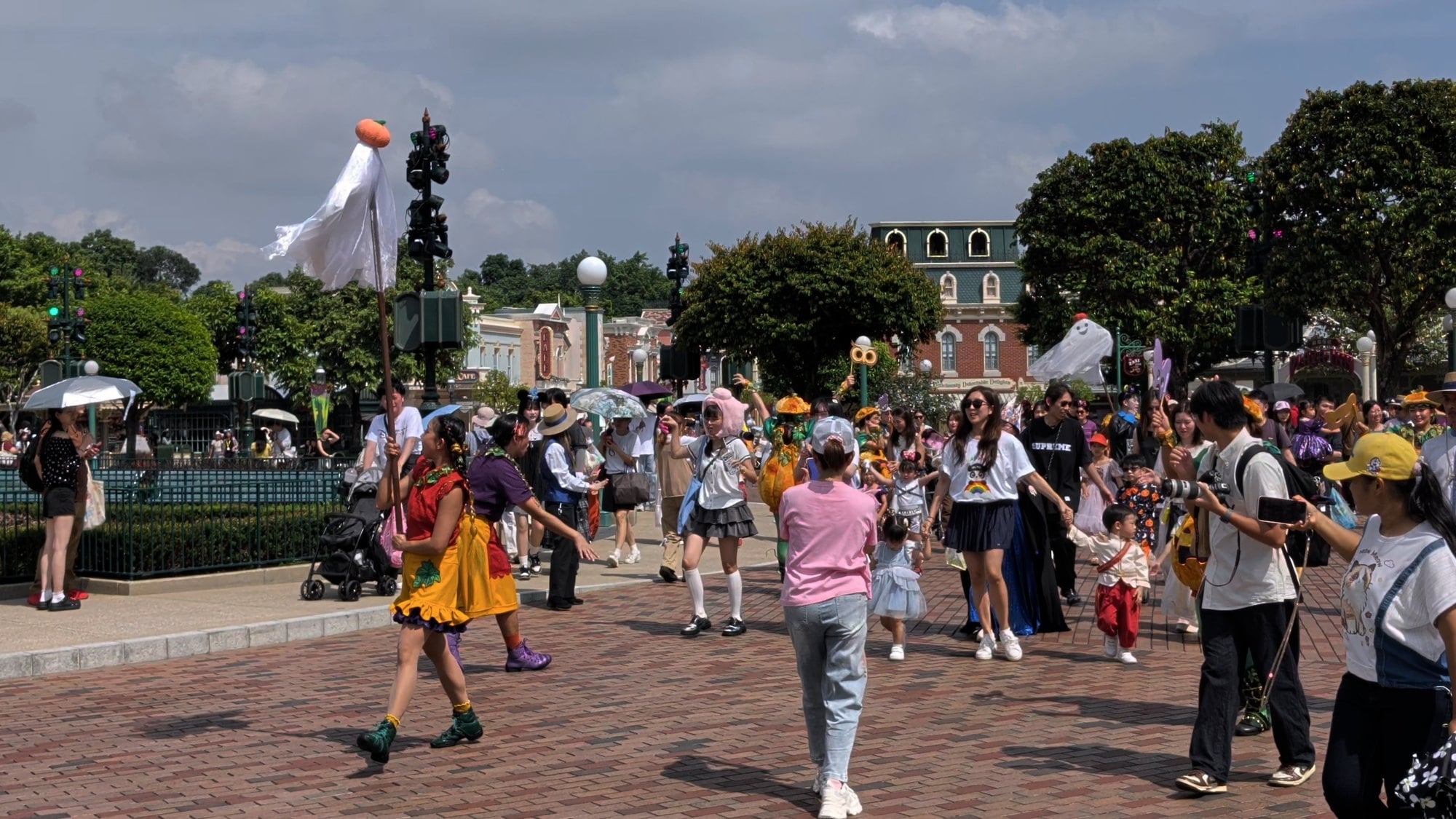
The best attractions not only encourage adults to dress up, but also make it part of the entertainment. During Hong Kong Disneyland’s “Uninvited! A Villains Takeover Party,” cast members choose costumed guests from the crowd to enter the street and dance with them. At every float throughout the parade route, cast members invite guests into the street and teach them how to dance. You’ll notice children playing along, but just as many costumed adults joining as well.
Hong Kong Disneyland’s new castle stage show, “Mickey’s Happy Halloween Adventure,” allows guests to join a costumed parade in the third act of the show. Guests self-select ahead of time by waiting in a designated area, then join the parade at the conclusion of the show.
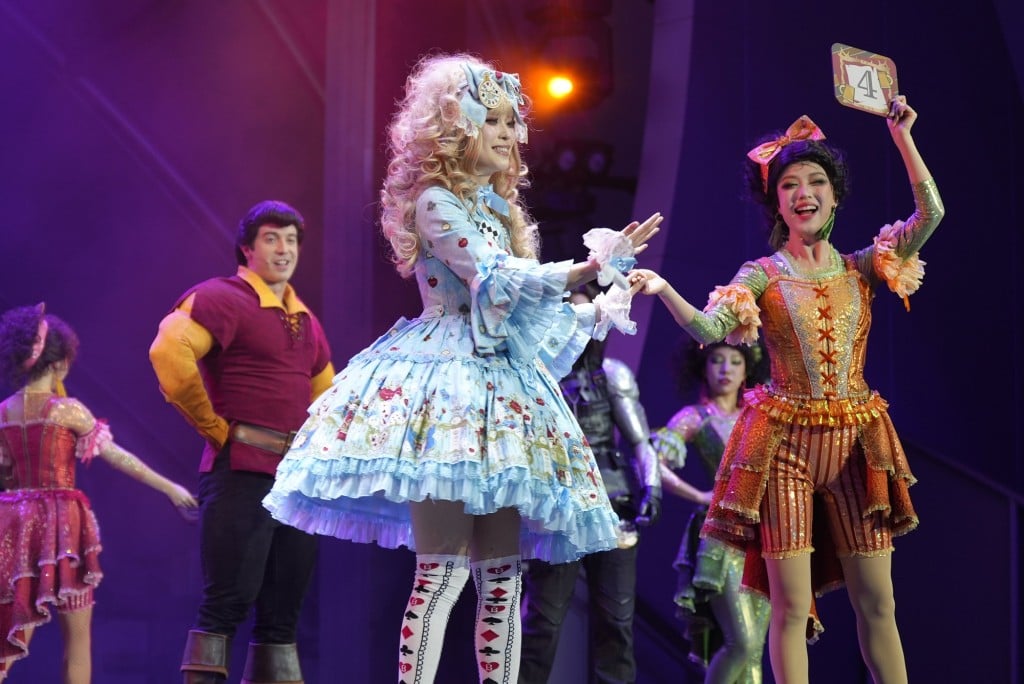
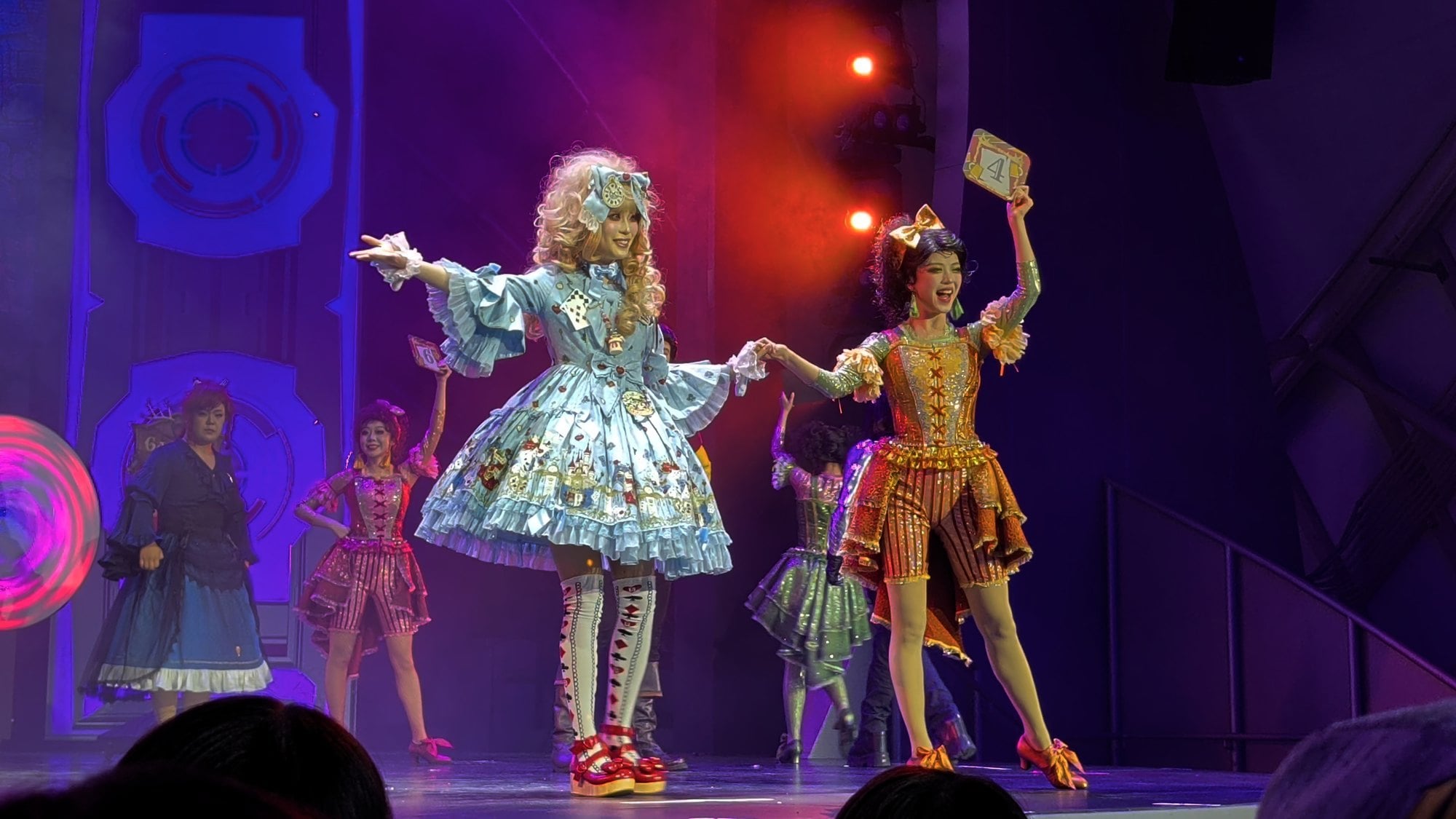
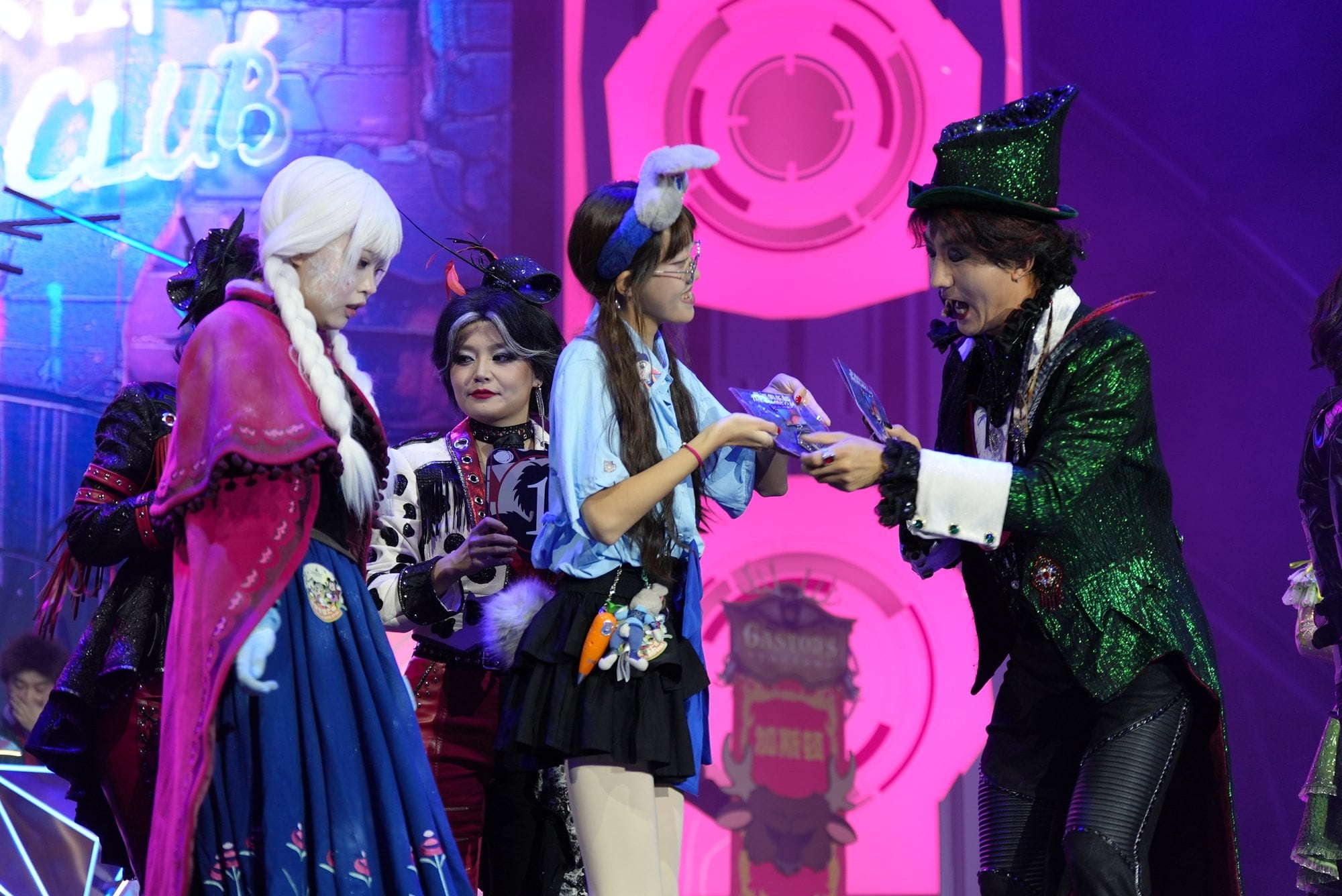
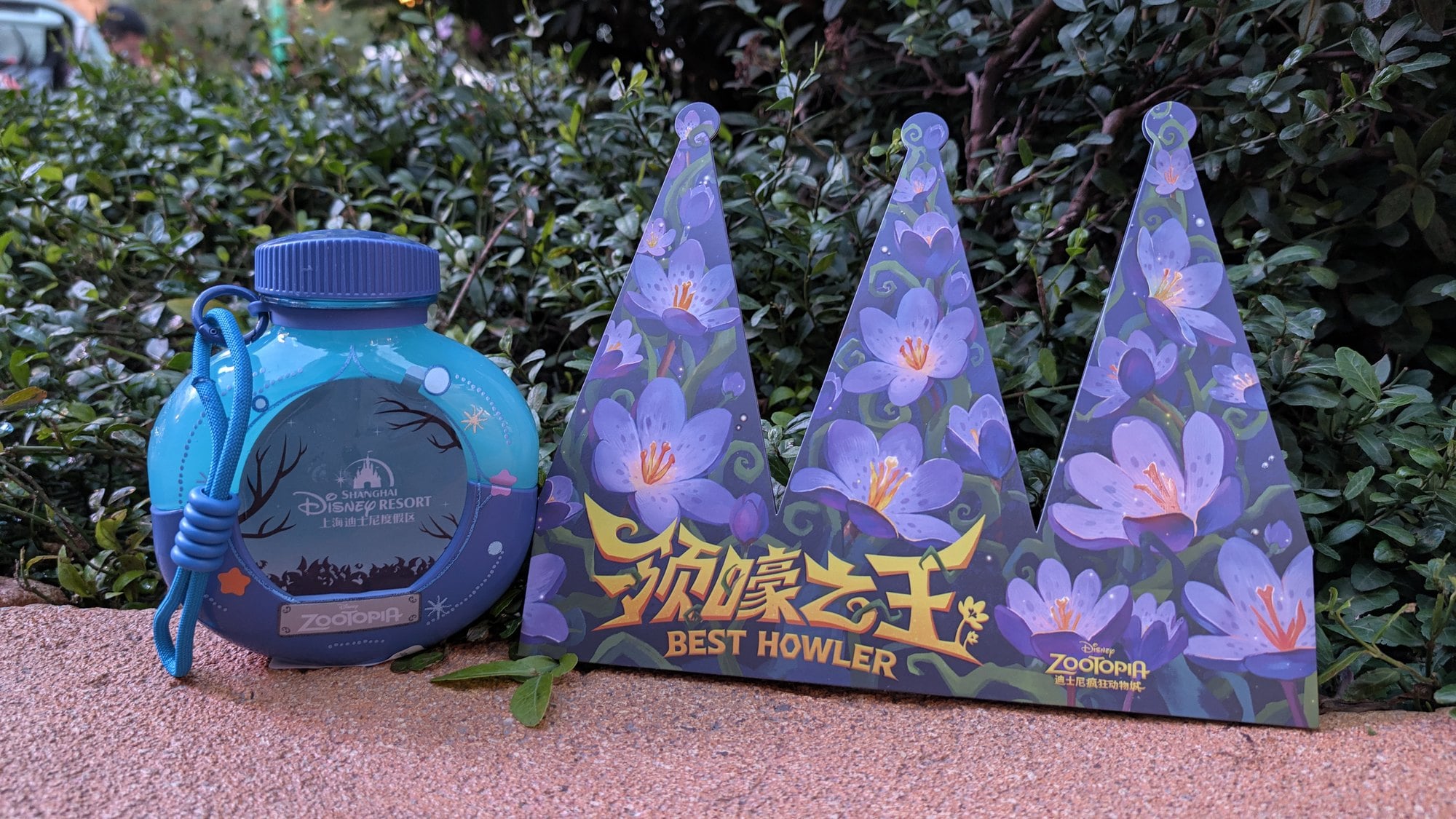
During Shanghai Disneyland’s “The Villains’ Club” stage show, Cruella and Gaston each pick a team of the best-dressed guests, bring them on stage, and let the audience cheer for a winner. This rewards and gamifies dressing up, and when I watched, it was delightful to hear the crowd cheer. Family and friends lined up to cheer for their friends, not just the characters. The new Zootopia overlay also runs a howling contest that crowns the best howler; guests line up to compete by showing off their best howl.
Universal Beijing’s Identity V house hides a sequence of numbers through the maze, and at the exit you choose one of seven doors: pick the right one, and you survive; pick the wrong one, and an actor ends you, and the puzzle costs nothing to add.
If this all sounds like something you learned in Improv 101, trust your instincts. What’s remarkable about play is that it isn’t complicated. Yes, letting costumed dogs in might stress your ops team, but any attraction can craft scenarios where adults can play.
Adult Play Beyond the Parks
When a child puts on a costume, we call it playing dress up. When an adult does it, it’s cosplay. And cosplay is exploding.
Most recently, Anime Expo saw its most-attended year to date in Los Angeles, with over 422,000 turnstile attendance. When I was there, most people were in cosplay. Beyond cosplay, content creation is play too: friends get together, dress up, script a scene and shoot it, which is cops and robbers with a phone.
Gen Z and Millennials are finding ways to play, and attractions should ride the wave instead of continuing to offer passive entertainment.
Takeaways for Designing For Play
Harris lists what makes an experience read as designed for adults: adult-only access or events (42%), nostalgic references adults understand (39%), food, drinks, or nightlife (37%), and more complex activities (35%). With all this in mind, here are some recommendations:
Flip the design. We’ve been designing for the kids and letting the adults watch from the benches. Design for adults to play, and let the kids join in, as they did at the Shanghai cavalcade and the Hong Kong parade.
Make it good. Designing for adults means a plot that holds together, real choreography, and a clear way to join in. This doesn’t mean rated R; it means more complex activities with a good story.
Invite the adults. 62% of adults want adult-only nights, and few attractions do them. Netflix’s Stranger Things: The Diner in New York made its Friday and Saturday nights 21 and over. If you don’t want a dedicated night, then invite adults to participate explicitly.
According to Harris, 49% of adults say they sometimes feel judged for enjoying things considered childish. The attraction that tells them they’re welcome gets the visit, and their kids come along.


